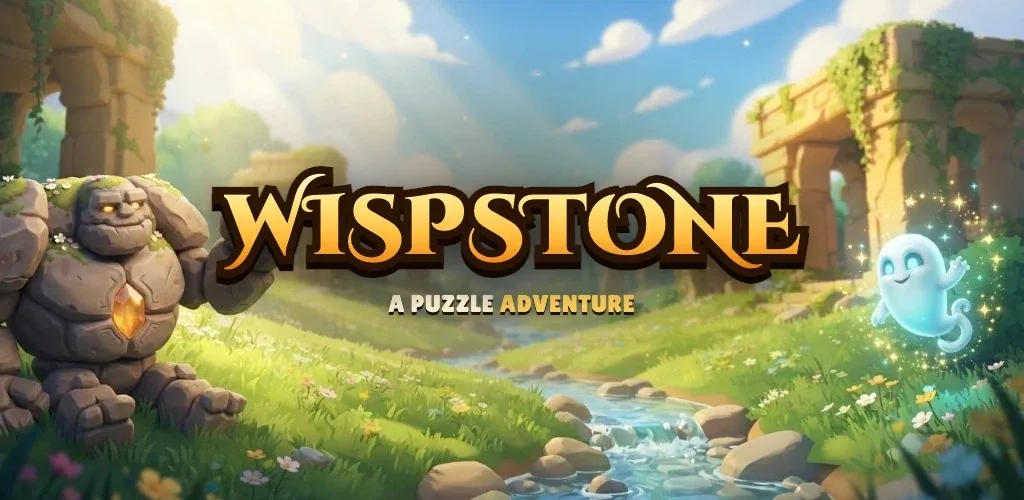
Puzzle Games and Player Privacy: How We Designed Wispstone from Day One
Quick quiz. What do a crossword, a jigsaw, and a mobile game have in common? They all make you think. Only one of them can also collect data about you. That is why privacy deserves a seat at the table when we talk about puzzle games.
This post explains what players should expect from a game’s privacy practices, which rules shape those expectations, and where Wispstone from Revelar Solutions fits in.
Why Privacy Matters in Puzzle Games
A puzzle looks harmless. You rotate a shape, solve a level, and feel brilliant for about eleven seconds. But any game that runs on a phone or a computer can handle some kind of data, from basic device details to account information.
Players don’t need to panic. They do need clear answers. What does the game collect? Why? Who can see it? A good studio answers those questions in plain English, not in a wall of legal text.
The Rules Behind the Screen
Several laws and platform policies shape how games treat data. Here are the ones worth knowing.
The Children’s Online Privacy Protection Act (COPPA) is a U.S. law that sets requirements for online services directed at children under 13. The Federal Trade Commission enforces it. In 2022, the FTC announced a settlement with Epic Games worth $520 million over Fortnite, which included COPPA violations and deceptive design practices.
In Europe, the General Data Protection Regulation (GDPR) took effect on May 25, 2018. It includes data minimization, which means a service should collect only what it needs. It also requires data protection by design and by default.
California’s Consumer Privacy Act (CCPA) took effect on January 1, 2020. India, where Revelar Solutions is based, passed the Digital Personal Data Protection Act in 2023.
Stores play a role too. Apple introduced privacy labels on the App Store in December 2020, and Google Play asks developers to fill out a Data safety section. Both help players see a game’s data practices before they download it.
What Good Privacy Design Looks Like
“Privacy by design” sounds fancy, but the idea is simple. Think about privacy while you build the game, not after launch. Fixing it later is like adding a seatbelt to a car that’s already speeding.
In practice, strong privacy design usually comes down to three habits:
- Collect less: Ask for only the data the game truly needs.
- Explain clearly: Put the privacy policy where players can find it.
- Give control: Let players understand their choices.
These habits don’t make a game less fun. A level is still a level.
Meet Wispstone
Wispstone is a puzzle game from Revelar Solutions. Like every game the studio puts in front of players, it comes with a dedicated privacy page on the Revelar Solutions website. That page is where players can read how the game handles their information.
Why does that matter? Because a published policy gives you something to check. A game that hides its privacy details asks you to trust it blindly. A game that publishes them invites you to read first.
For Wispstone’s data practices, start with that page. It beats any blog post, including this one.
 Meet Wispstone
How to Check Puzzle Games Before You Download
Plenty of players hunt for puzzle games for free, and that’s perfectly reasonable. A price tag of zero doesn’t tell you much about data, though. Before you install anything, spend two minutes on these checks:
- Find the developer’s name and website.
- Read the privacy policy, or at least skim the headings.
- Review the permissions the app requests. A puzzle rarely needs your contacts.
Free puzzle games can be a fantastic way to unwind, and the same checklist applies to every one of them. Pricing doesn’t change your right to know how your data is handled.
An online puzzle game adds one more question: does it need an account or an internet connection to work? If the answer is yes, find out what information it stores. If the answer is no, you have one less thing to worry about.
About Revelar Solutions
Revelar Solutions is a digital engineering and marketing studio headquartered in Lucknow, with a presence in Delhi. The team serves clients across India and the USA. Wispstone shows the studio’s creative side.
Final Thoughts
Great puzzle games make your brain work. They shouldn’t make you work to understand what happens to your data. Read the policy, check the permissions, and pick developers who explain themselves. Then enjoy the satisfying click of a solved level, guilt-free.